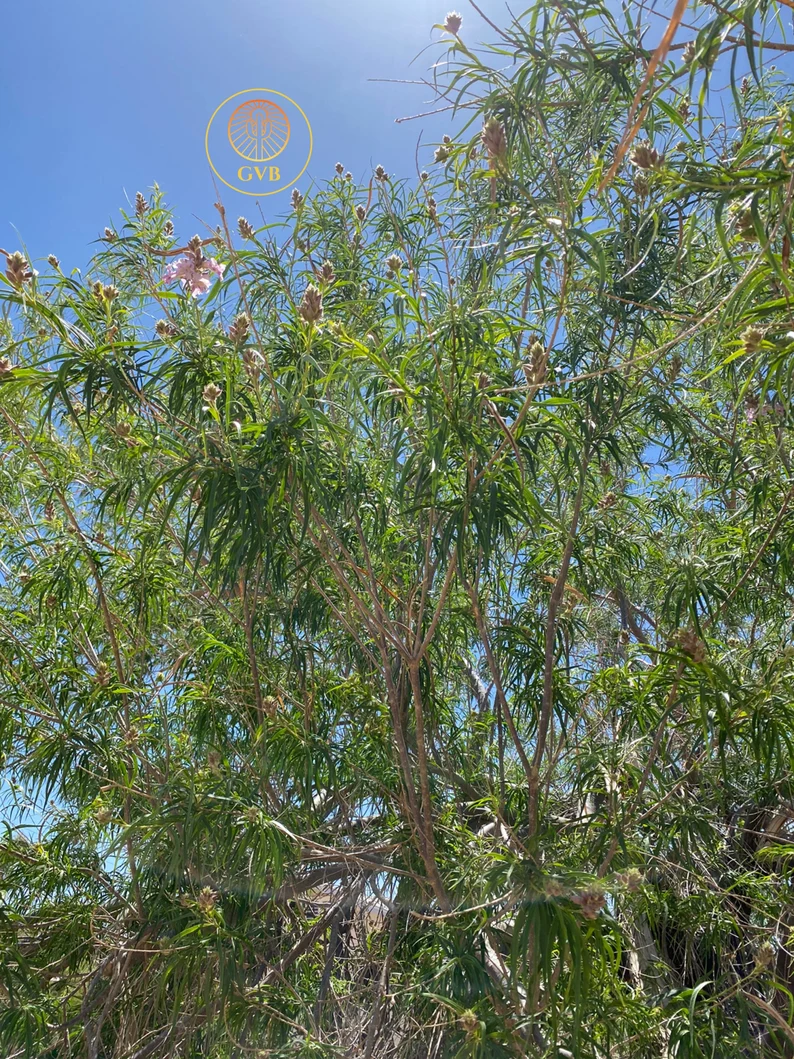
Desert Willow
Latin Name: Chilopsis linearis
Price range: $1.95 through $16.95
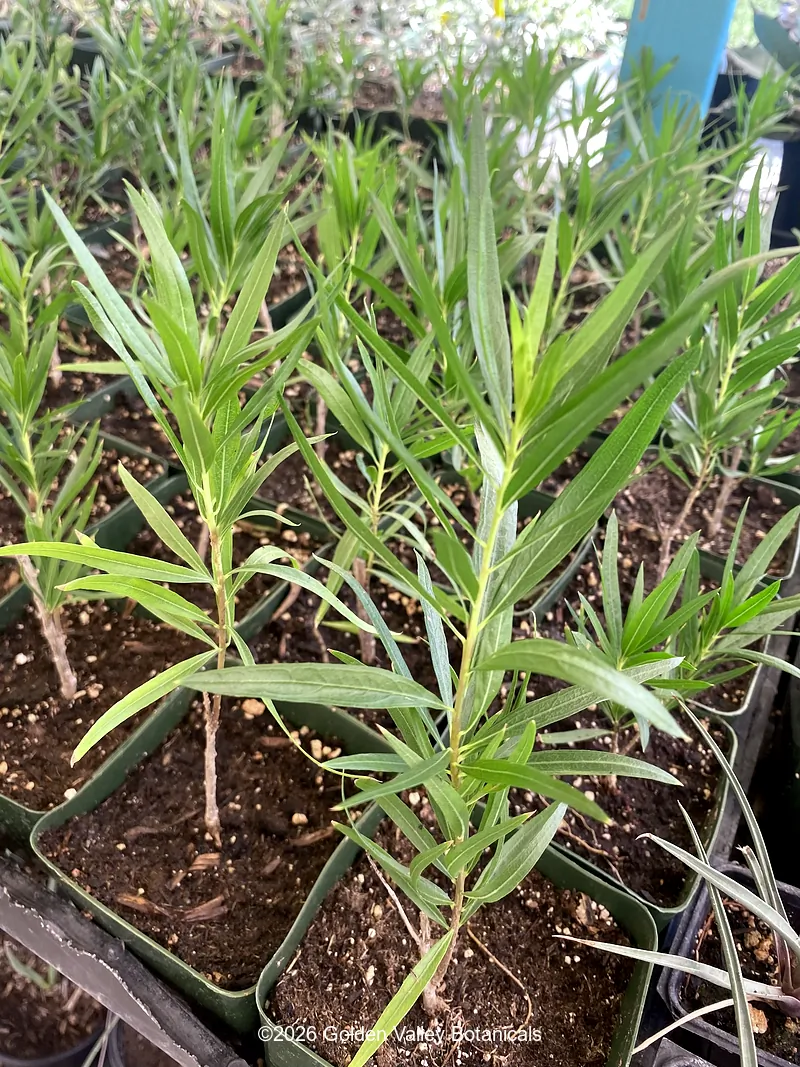
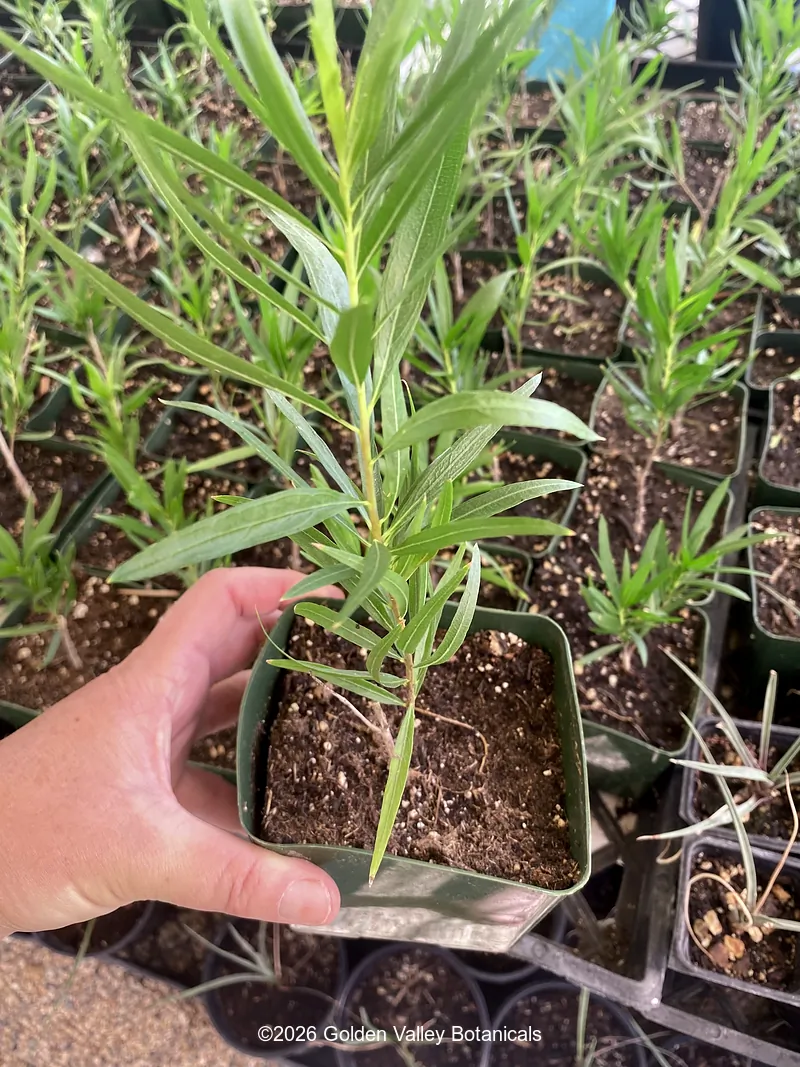
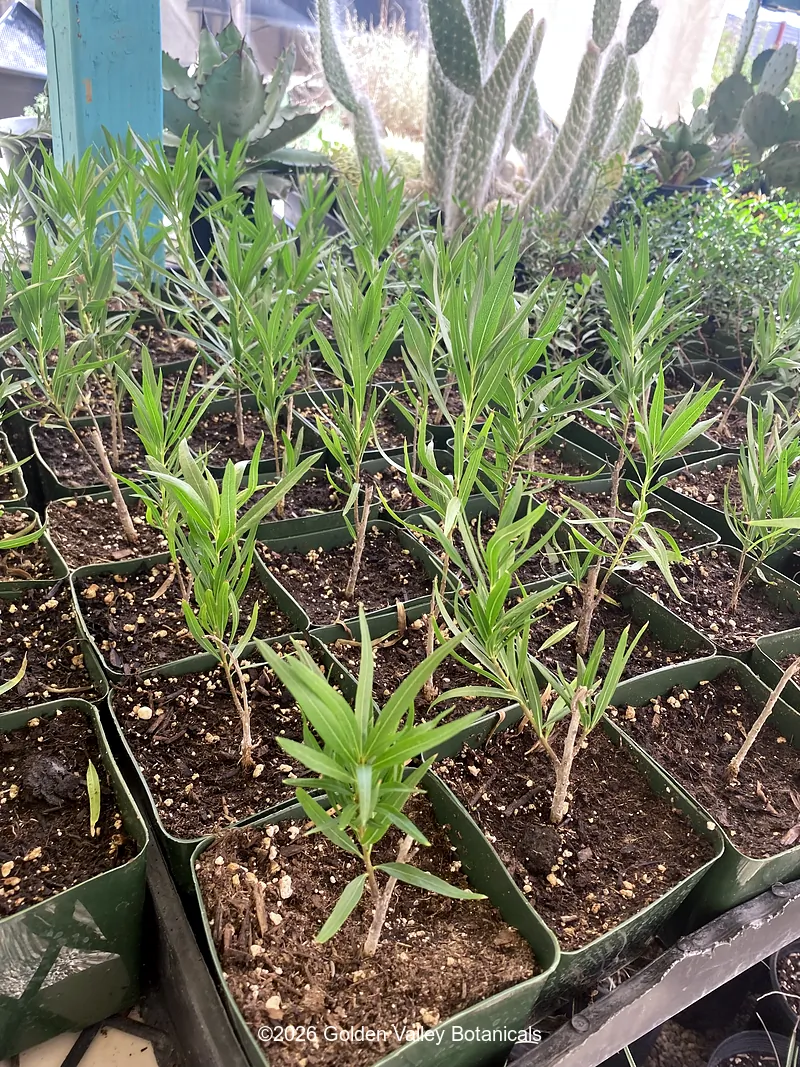
- Pot Size: 4 Inch, Seeds x 30, Seeds x 100
- Hardiness Zone: Zone 7, Zone 8, Zone 9, Zone 10
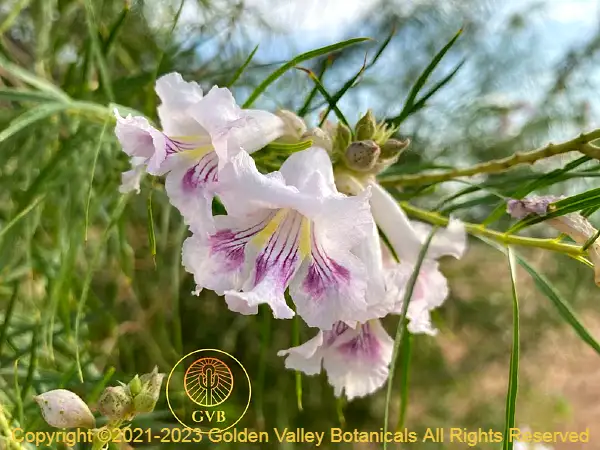
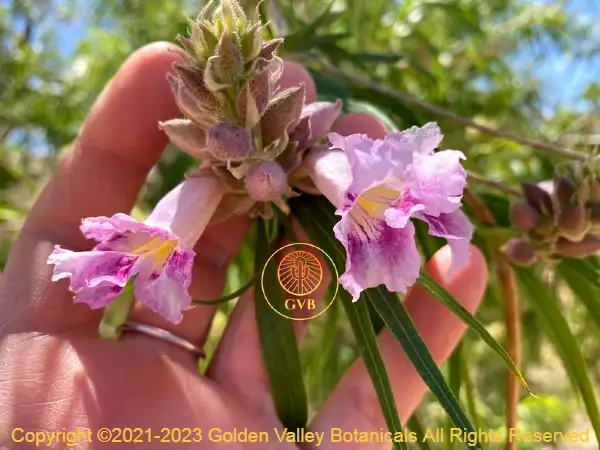
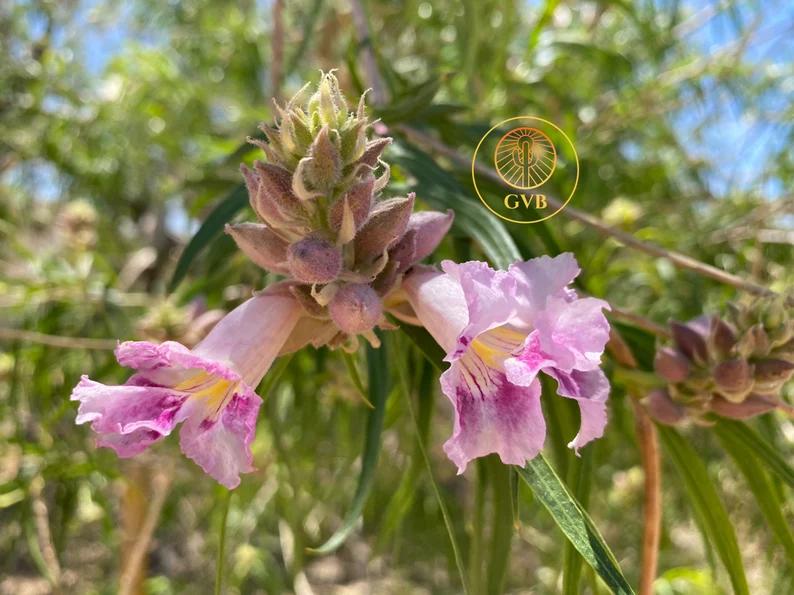
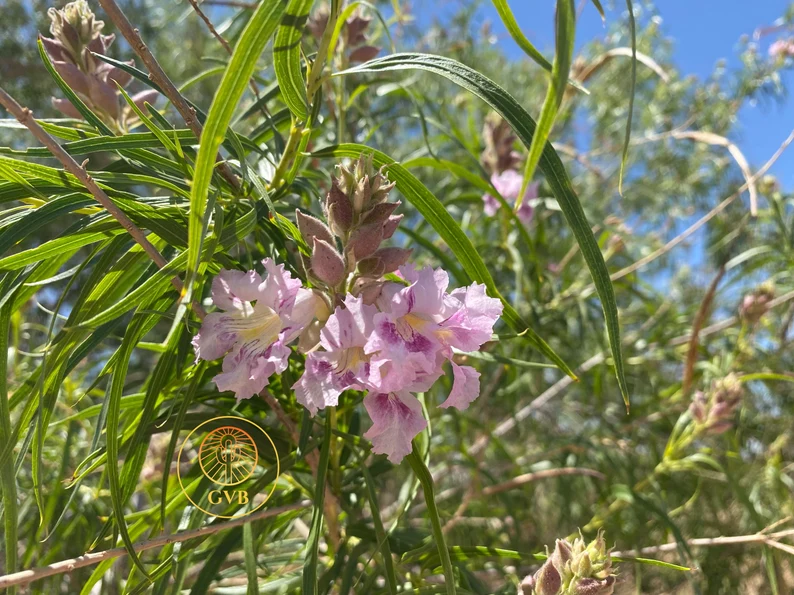
Chilopsis linearis is a small deciduous tree or a large, many-stemmed shrub. It has a loose, open crown and slender, arching branches. Its narrow leaves look much like a willow’s, which is how the plant earned its name. In truth, it belongs to the catalpa family, not the willows. From late spring into fall, it bears fragrant, trumpet-shaped flowers in white, pink, and lavender. The thin leaves and airy form help it save water in the dry desert washes where it grows wild.
Plant Details
Quick Information
- Latin Name: Chilopsis linearis
- Plant Family: Bignoniaceae
- Common Names: Desert willow, desert catalpa, mimbre, flowering willow
- Origin / Native Range: Desert washes and streambanks of the southwestern United States (California to Texas) and northern Mexico
- Mature Height × Width: 15–25 ft × 10–20 ft
- Exposure Requirements: Full Sun
- Irrigation Requirements: Low
- USDA Hardiness Zones: 7–10
- Cold Hardiness: 0°F–10°F
- Bloom Time: Late Spring through Fall
- Bloom Color: White to Pink and Lavender
General Information
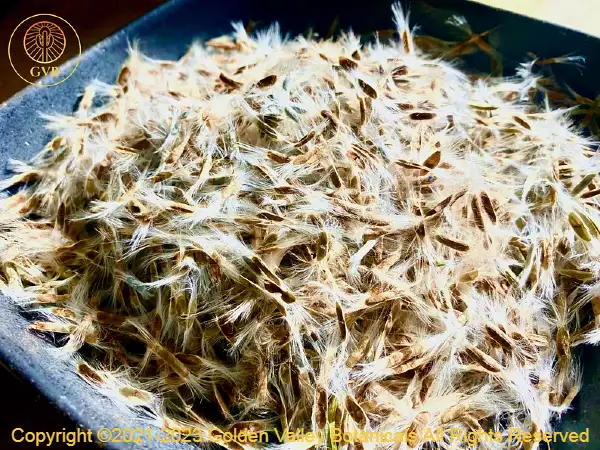
Desert willow usually grows as a large shrub or small tree with several trunks. Its branching is loose and open. Young plants grow fast, sending up slender, wand-like stems that arch outward as they lengthen. With age, the trunks thicken. The bark turns gray and forms shallow cracks, so older plants take on a weathered look. This is a fully deciduous plant: in much of its range, it stands bare for months. It drops its leaves in the cold season and again during hard drought. Long, thin seed pods follow the flowers and often hang on all winter. They split open to release small seeds fringed with fine hairs, which drift away on the wind.
In the wild, desert willow grows along desert washes, arroyos, and streambanks, and there its roots tap moisture held below the dry surface. This riparian past, tied to water, explains how it behaves in the garden: with a deep soak now and then, it builds strong drought tolerance once established. It thrives in full sun and reflected heat. The fragrant flowers open on new growth from late spring into fall. Fresh flushes often follow summer rains. Bumble bees are the main pollinators. Large carpenter bees also work the blooms, and hummingbirds sip nectar from the deep floral throats. Gardeners use desert willow as a flowering screen, a small patio tree, or summer color in low-water beds. Its one drawback is a long winter rest, when it stands as a bare, twiggy frame, and it can self-seed where the ground suits it.
The name Chilopsis comes from two Greek words: cheilos, meaning lip, and opsis, meaning resembling. Both point to the lipped shape of the bloom. Desert willow is the only species in its genus. Even so, it is close enough to the true catalpas that the two can cross, and that cross gives us the garden hybrid ×Chitalpa. Because the flowers form on new wood, young plants may start blooming within a few years. The plant also has a long record of human use. Its bendable wood gave it an older name, bow willow. And in parts of Mexico, the dried flowers are still brewed into a tea.
General Planting & Cultivation Information
Even drought-tolerant plants require regular watering until they are well established, good drainage is essential. If planting in containers, avoid pots without drainage holes.
Irrigate by watering deeply and then allowing the top several inches of soil to dry between waterings. This encourages the plant to send roots deep into the earth in search of moisture, helping it to become established, prevent root rot, build drought tolerance, and resilience to wind, heat, and cold.
The length of time between waterings will vary depending on your growing conditions and environment. Use a moisture meter for precise irrigation.
When planting, set the plant at the same depth as it was in its current container. For trees, ensure the top of the root flare is at soil level.
Young plants are vulnerable to harsh conditions, so consider growing them in larger containers until mature.
When planting in the ground, research the optimal planting season for your climate zone and protect young plants from frost.
To support establishment, consider creating a microclimate with nurse plants, shade, or wind protection. This can reduce stress, conserve soil moisture, and increase long-term success.
Protect the small, immature plants from rabbits and deer.
Check out our FAQ page for more tips on desert gardening.