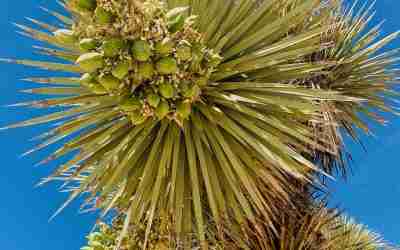
A closer look at how to germinate the seeds of the beautiful Southwest Native Palo Verde Tree.

Palo Verde Trees
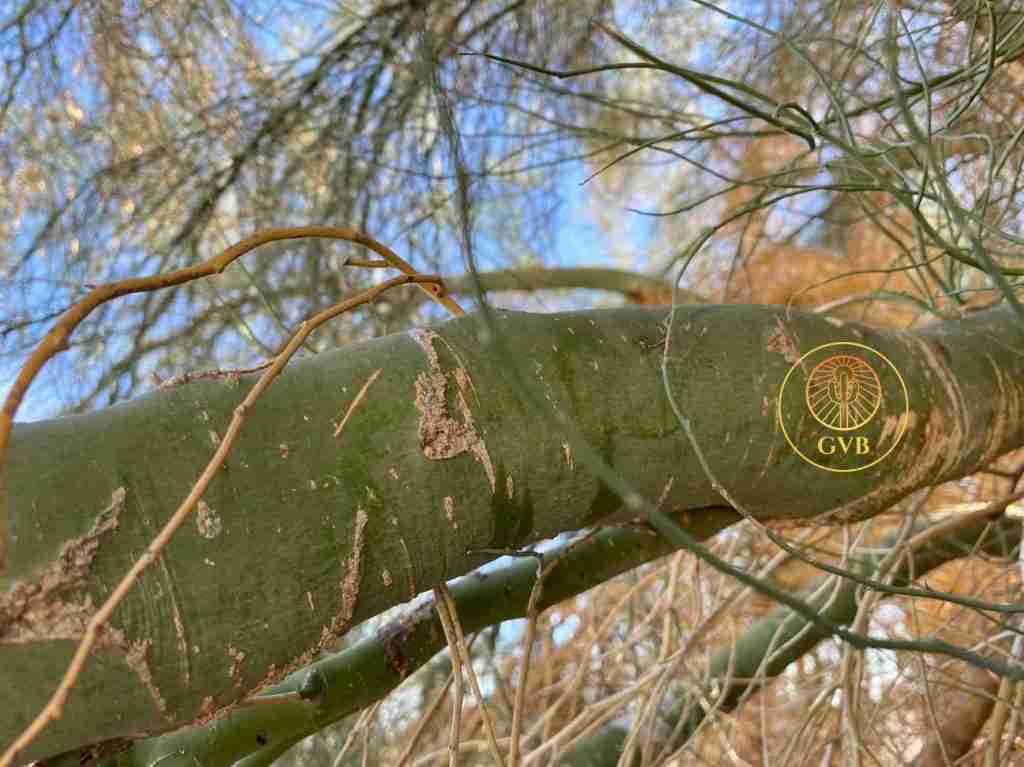
There are many different desert adapted plants and trees but one of the most stunning by far is the Palo Verde Tree. There are several different types endemic to different areas of the Southwest and Mexico, each with their own unique characteristics. All species however are extraordinarily drought tolerant, requiring little to no supplemental water once established. Spanish for ‘Green Stick’, Palo Verde conserve moisture by shedding their leaves in times of drought, relying on the chlorophyll held in the unusual bright green skin of the trunk and limbs to transform sunlight into the energy needed to photosynthesize. You can read more about the different species of Palo Verde Trees here.

Saving Seed
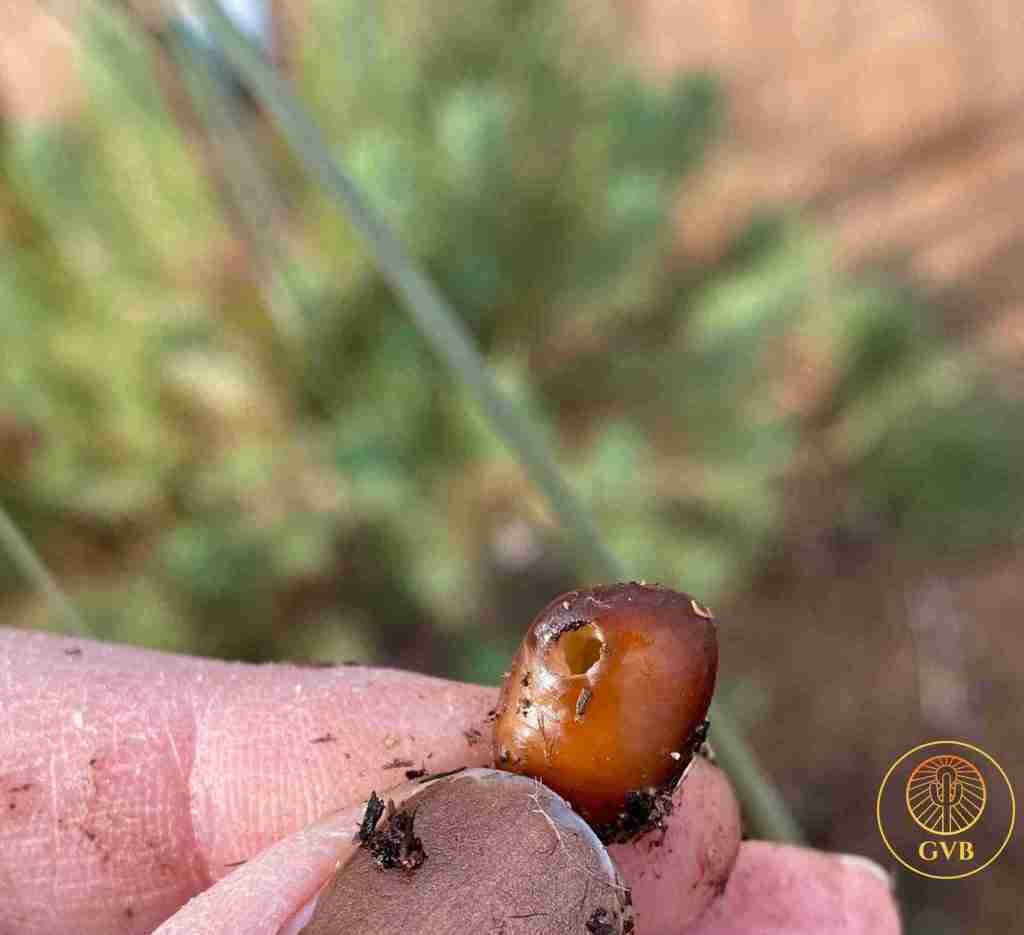
Palo Verde are leguminous, adding to the fertility of desert ecosystems by working symbiotically with soil bacteria to fix nitrogen. The buttery yellow flowers of Spring give way to green seed pods that fade to tan in Fall, ready for harvest when they make a slight rattling sound upon shaking. The pods should be completely dried before cracking open to remove the beautiful brown seeds stored inside. When harvesting, cleaning and storing, they should be closely inspected, any seeds damaged by pests or fungus should be discarded.

Germination
Palo Verdes are best propagated from seed, but they are protected by a hard outer coating that must be pierced, or ‘scarified’, for proper germination. With a little research you can find all sorts of different ways to scarify seeds, from acid to using sandpaper to nail clippers to simply making a nick with a knife, and I tried some of these different methods with varying levels of success (and some cut and scraped up fingertips). I quickly realized that this method wasn’t very efficient or effective when endeavoring to grow thousands of these trees, so when I harvested my next crop of seeds this Winter I decided to use a soaking process that has yielded much better results and required much less effort.
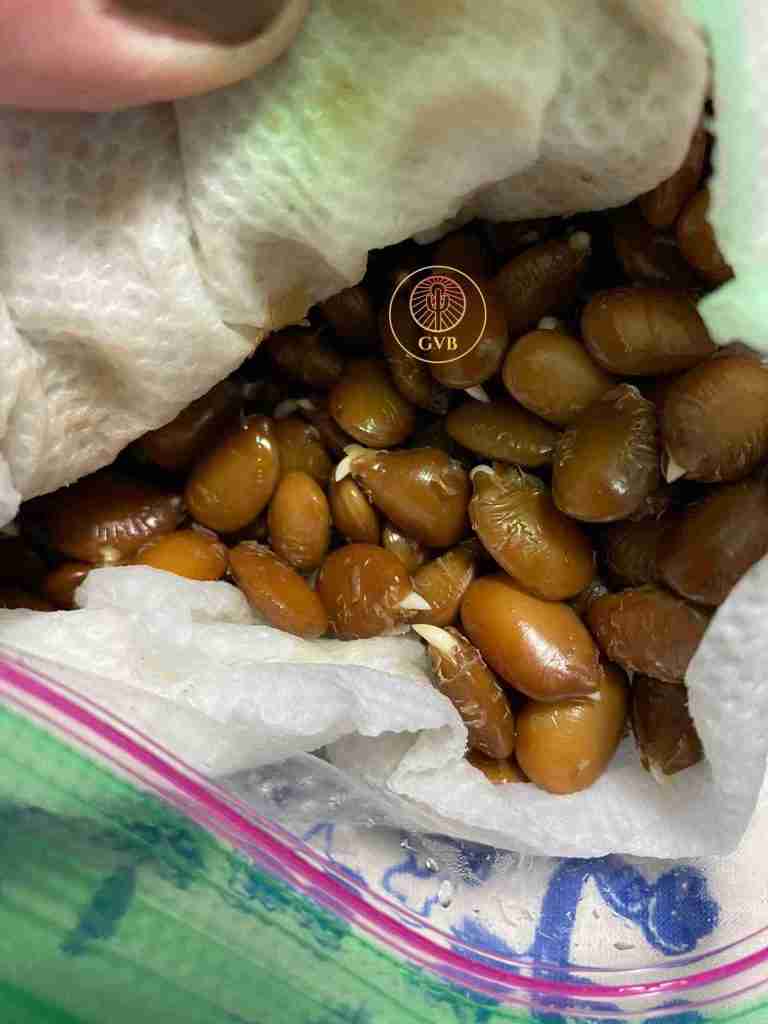
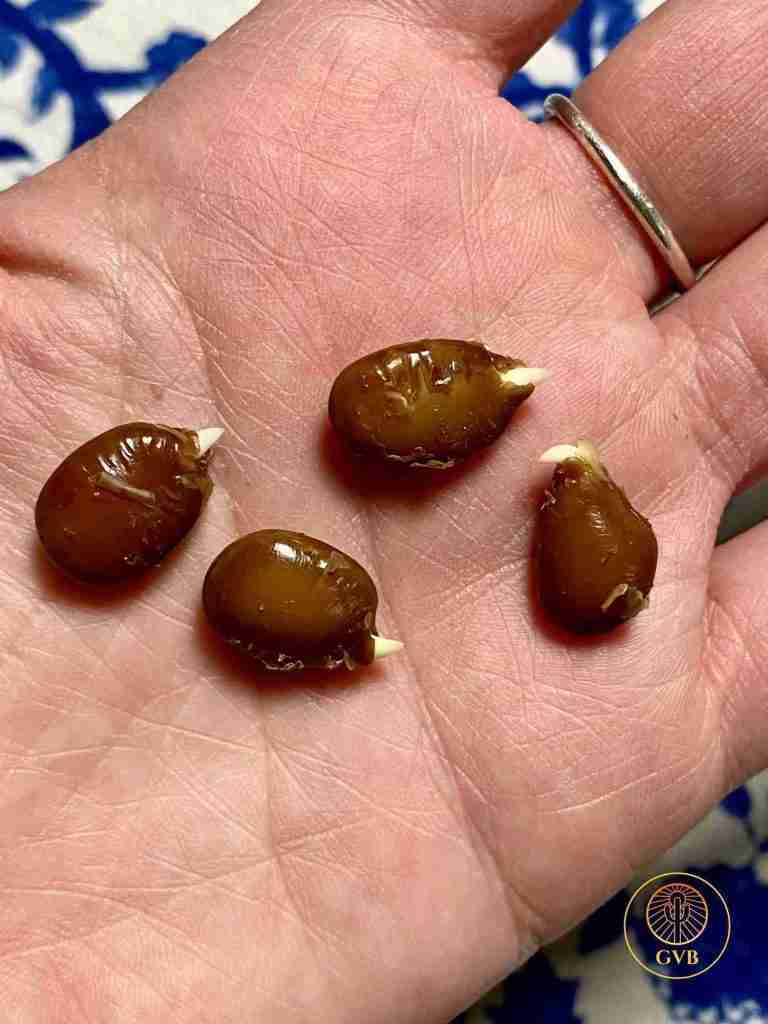
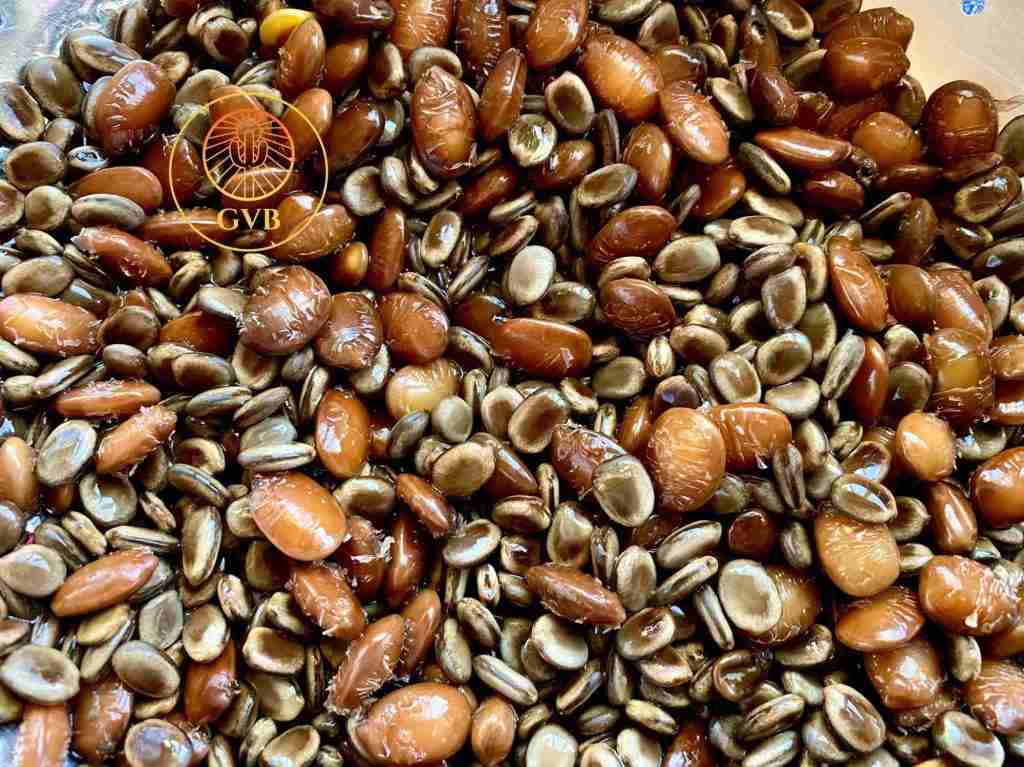
I waited to germinate my Palo Verde seeds in cold frames in March, a couple weeks before our last frost date here in the Mohave Desert. I put the seeds into an old coffee can (you can use whatever container you like) and then submerged them in water that has just been brought to a boil, allowing them to cool and soak overnight. In the morning I sort through the seeds, removing all the ones that have imbibed and swollen up, at which point they bear striking resemblance to a pinto bean. I take all the softened seed and wrap them in moist paper towels, and seal them into a plastic bag and them put them in a dark place like a kitchen cupboard or the back of a book case, just don’t forget about them! I take the hard seeds and return them to the can and repeat the soaking process as many times as needed, it took about six repetitions for me to soften around 1000 seeds, and I planted these in three different successive batches.
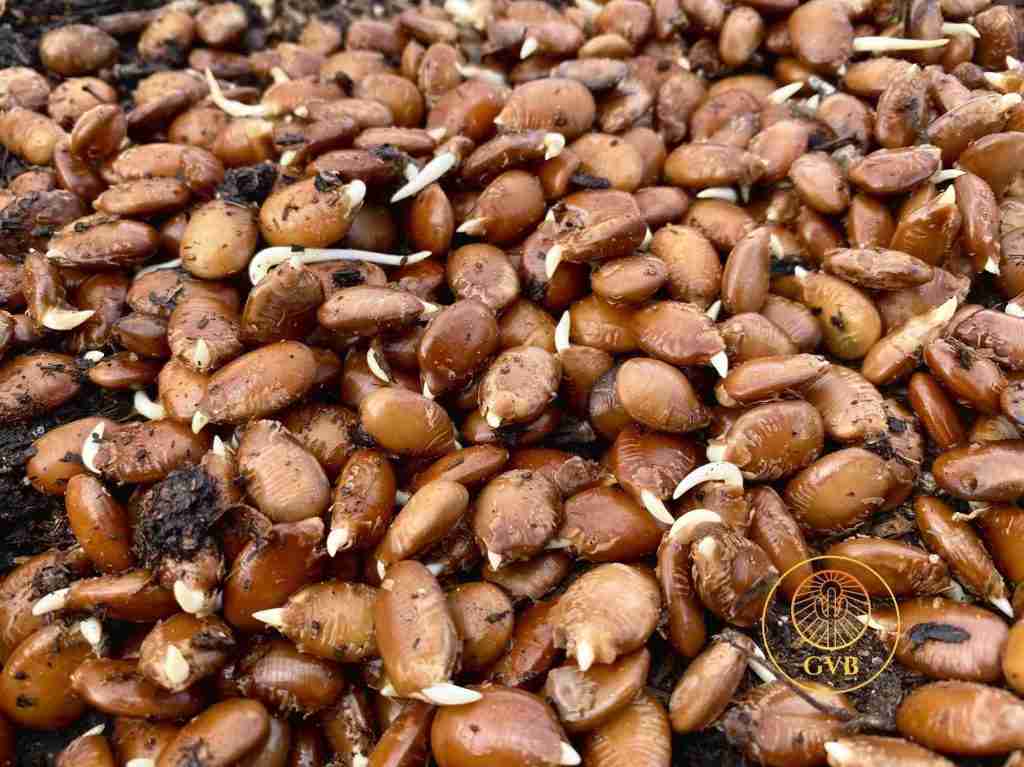
After about two days in the paper towel and bag (this will depend upon the ambient temperature), most of the seeds in a batch will have germinated, at which point they are ready to be planted in soil, at a depth of about 1/4 to 1/2″. The root is the first part of the tree to emerge from the embryo so I try to place that end down when planting.


Cultivation
Provide shade and protection from wind and frosts for young seedlings. Water deeply and allow the top several inches of soil to dry between waterings. Once Palo Verde have been planted in the ground, water intermittently and avoid overwatering. Overly irrigated trees grow more quickly, but their branches are weaker and more prone to breaking, unable to withstand windstorms and monsoons.
I will update this post with more pictures of the seedlings as they grow.
You can find desert adapted plants and seeds I grow here in my shop.