Velvet Mesquite Tree
Latin Name: Neltuma velutina
Price range: $16.95 through $19.95
- Pot Size: 4 Inch, 1 Gallon
- Hardiness Zone: Zone 7, Zone 8, Zone 9, Zone 10, Zone 11
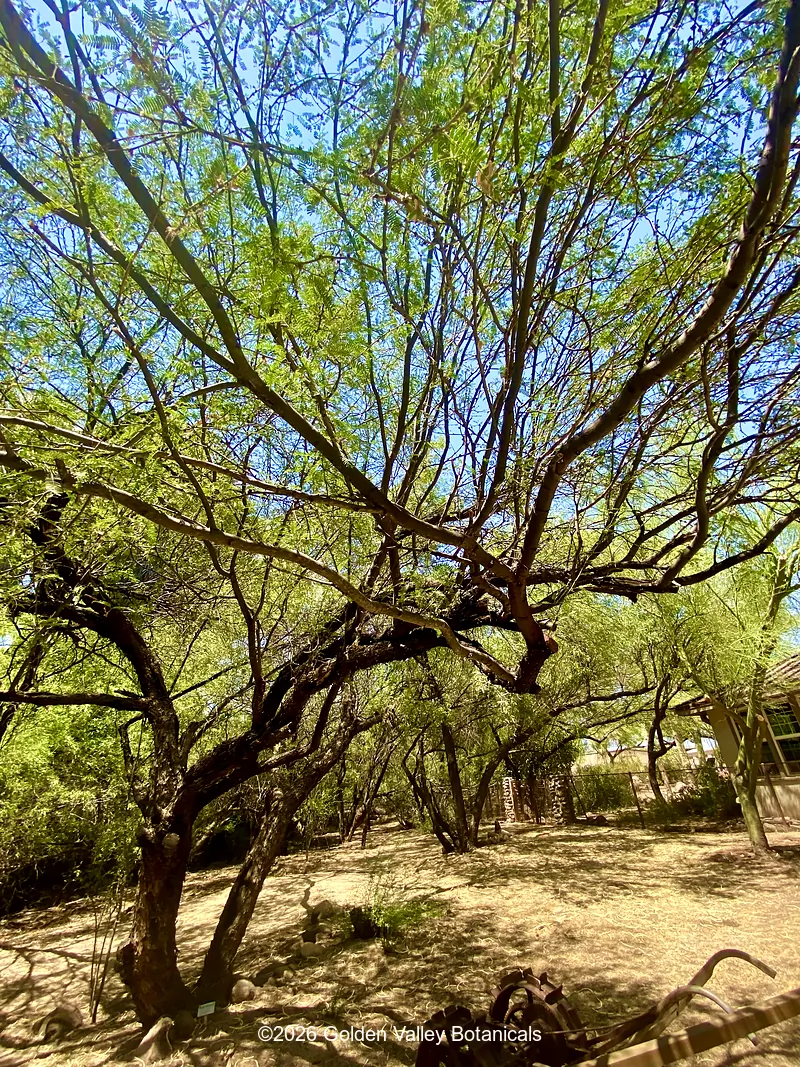
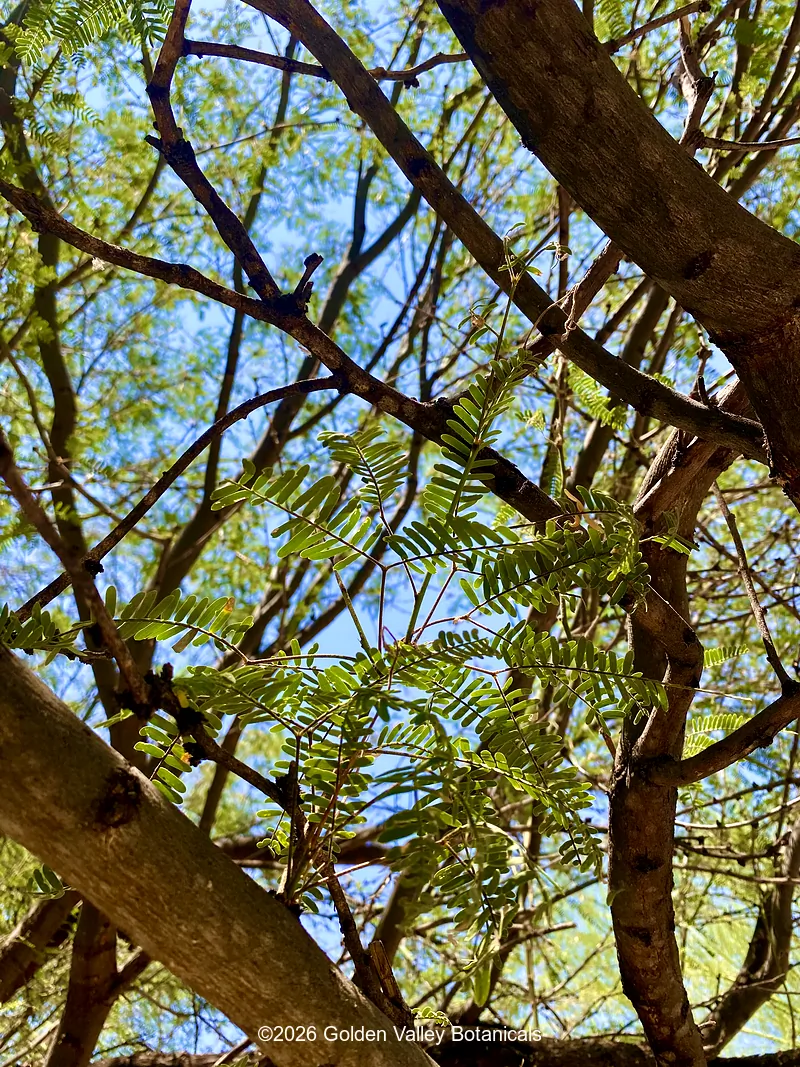
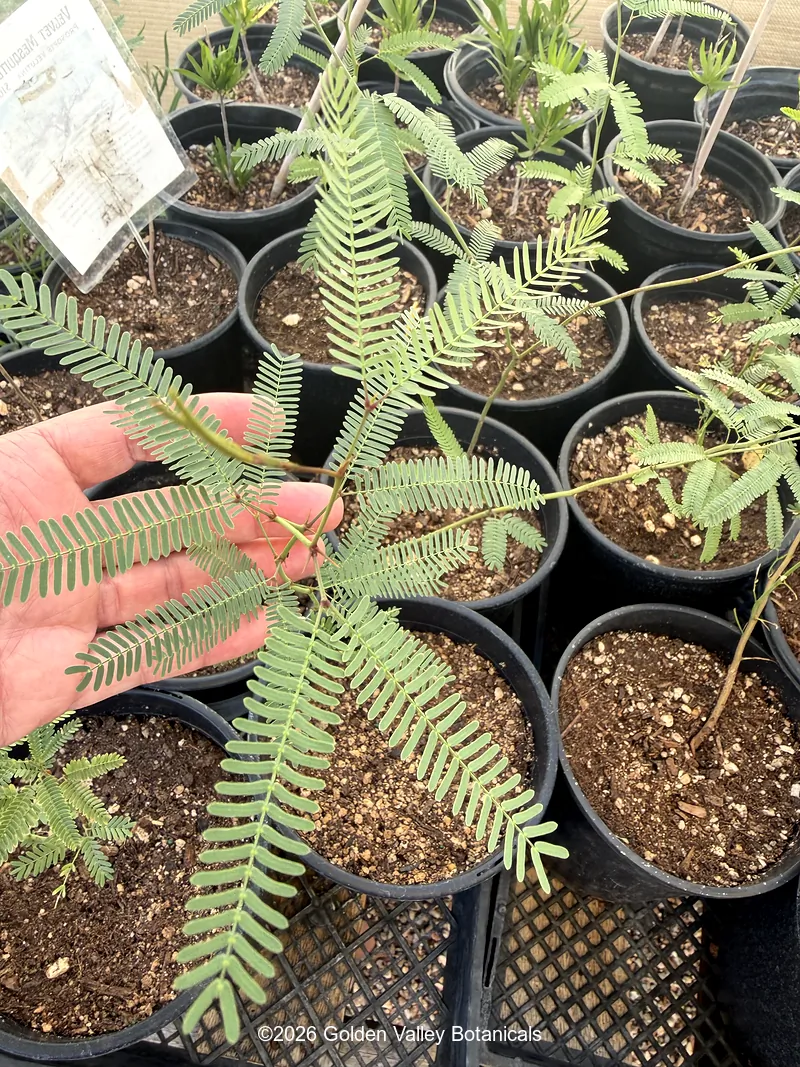
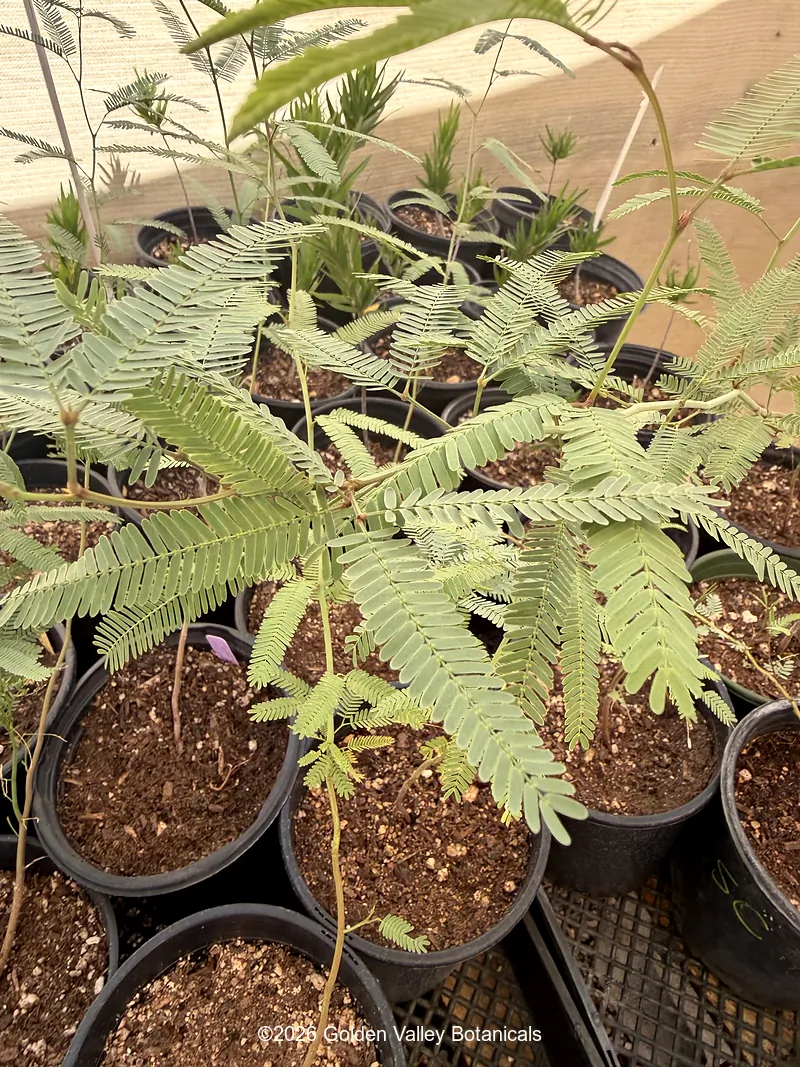
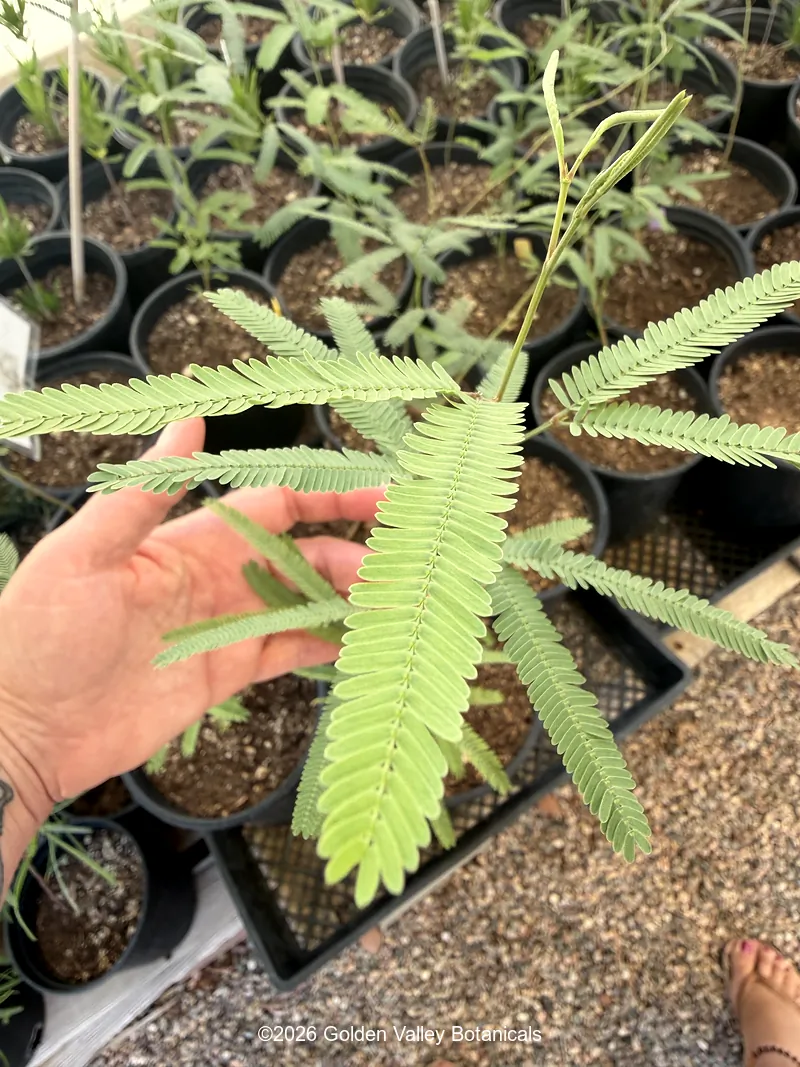
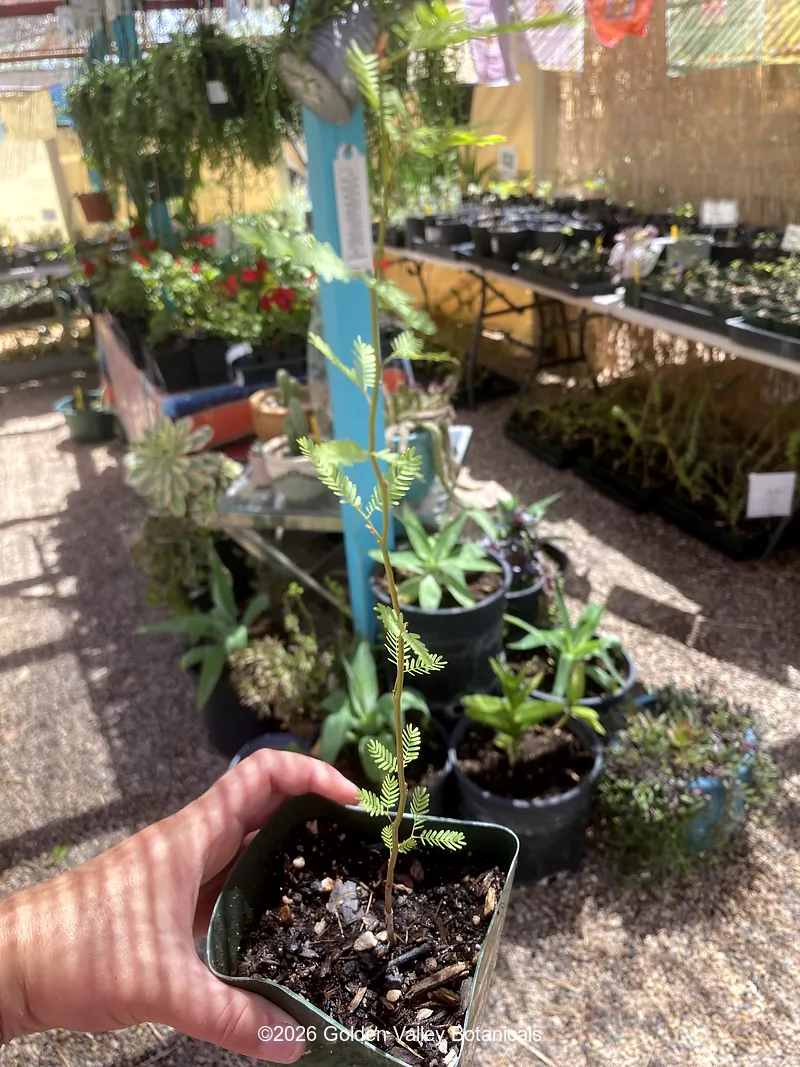
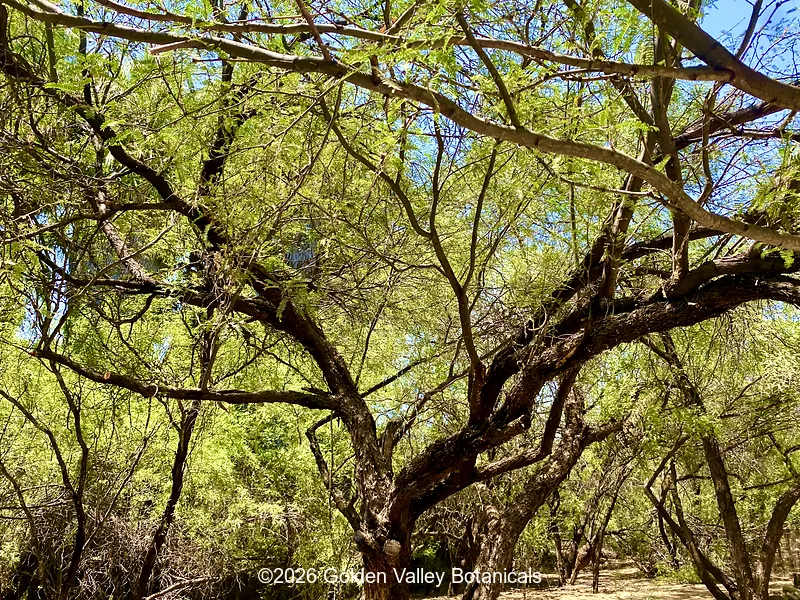
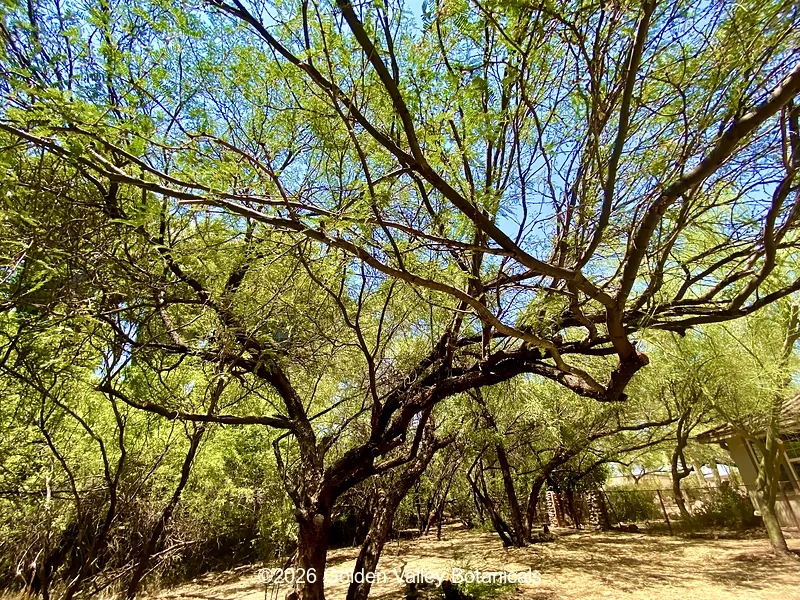
Neltuma velutina, long known as Prosopis velutina, is a deciduous desert tree with a wide, spreading crown and gnarled, often crooked branches. Its soft, fern-like leaves are covered in fine hairs that give the tree both its velvety look and its species name. Those finely divided leaves cast light, filtered shade, while the hairy coating helps slow water loss under intense desert sun. In spring, dense spikes of small cream to pale yellow flowers appear, later ripening into long tan seed pods. A member of the pea family, it is one of the defining trees of the Sonoran Desert’s washes and open grasslands.
Plant Details
Quick Information
- Latin Name: Neltuma velutina
- Plant Family: Fabaceae
- Common Names: Velvet mesquite, Arizona mesquite, formerly Prosopis velutina
- Origin / Native Range: Central and southern Arizona and adjacent Sonora, Mexico, extending into New Mexico
- Mature Height × Width: 25–40 ft × 25–35 ft
- Exposure Requirements: Full Sun
- Irrigation Requirements: Low
- USDA Hardiness Zones: 7–11
- Cold Hardiness: 5°F–10°F
- Bloom Time: Spring, sometimes with a second flush after summer rains
- Bloom Color: Cream to pale yellow
General Information
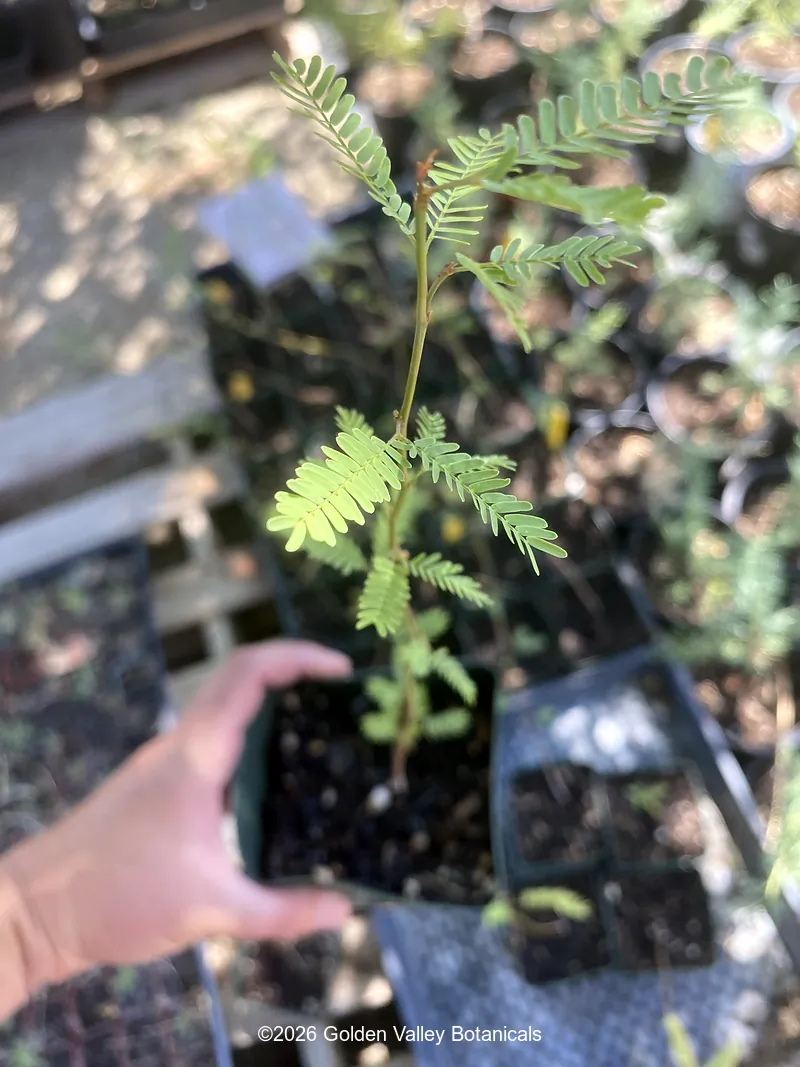
An established velvet mesquite develops a short, often leaning trunk that divides low into several heavy, twisting branches. Young bark is smooth and reddish-brown, but it roughens with age into shaggy gray-brown strips. The leaves are bipinnate, meaning each leaf is divided into many small leaflets arranged along a branched stalk, which gives the whole canopy a soft, feathery texture. Fine hairs cover the new growth and foliage, and this velvety coating is where the tree gets both its common and scientific names. Pairs of stout thorns up to an inch long arm the younger twigs. In most winters the tree drops its leaves, though in mild years it may hold them until new spring growth pushes them off.
Like other members of the pea family, velvet mesquite is a nitrogen-fixing tree, meaning bacteria in its roots pull nitrogen from the air and turn it into a form the plant can use, slowly enriching the surrounding soil. A deep taproot reaches water far below the surface, which is why an established tree survives long dry spells on little or no extra water. In the wild it grows along desert washes and across open grasslands, and where groundwater is steady it forms streamside woodlands known as bosques. Its open canopy casts filtered shade that cools the ground and shelters smaller plants, making it a natural nurse plant, a larger plant whose shade and cover help younger or more tender plants get started. Small bees are the main visitors to its spring flowers, and the seed pods that follow feed a range of desert wildlife.
Velvet mesquite has long been one of the most useful trees of the Sonoran Desert. The O’odham people grind its sweet, protein-rich pods into flour and meal, and the tree remains a source of mesquite flour, mesquite honey, and the aromatic wood prized for grilling. Gardeners should know this is a vigorous native: it produces heavy crops of pods, drops them along with fallen leaves, and can seed itself into open ground. It also releases a large amount of wind-borne pollen in spring, which some people find allergenic. The paired thorns can cause painful punctures, so choose a planting spot away from walkways and give the wide crown room to spread.
General Planting & Cultivation Information
Even drought-tolerant plants require regular watering until they are well established, good drainage is essential. If planting in containers, avoid pots without drainage holes.
Irrigate by watering deeply and then allowing the top several inches of soil to dry between waterings. This encourages the plant to send roots deep into the earth in search of moisture, helping it to become established, prevent root rot, build drought tolerance, and resilience to wind, heat, and cold.
The length of time between waterings will vary depending on your growing conditions and environment. Use a moisture meter for precise irrigation.
When planting, set the plant at the same depth as it was in its current container. For trees, ensure the top of the root flare is at soil level.
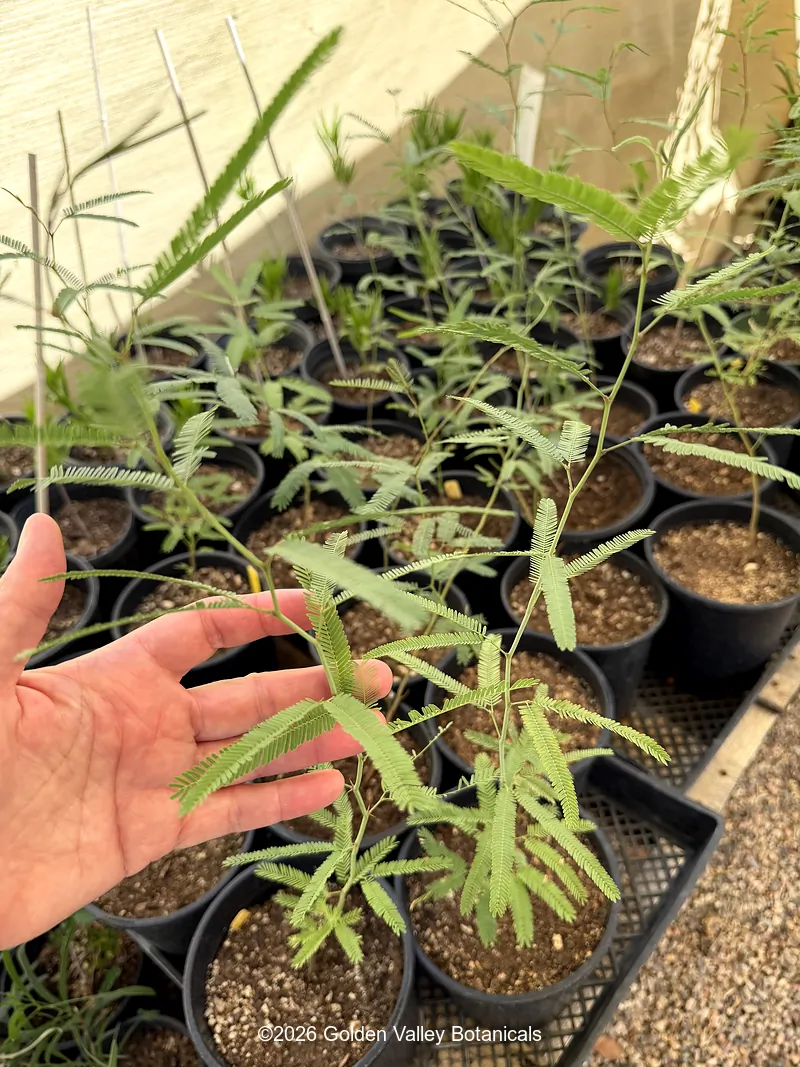
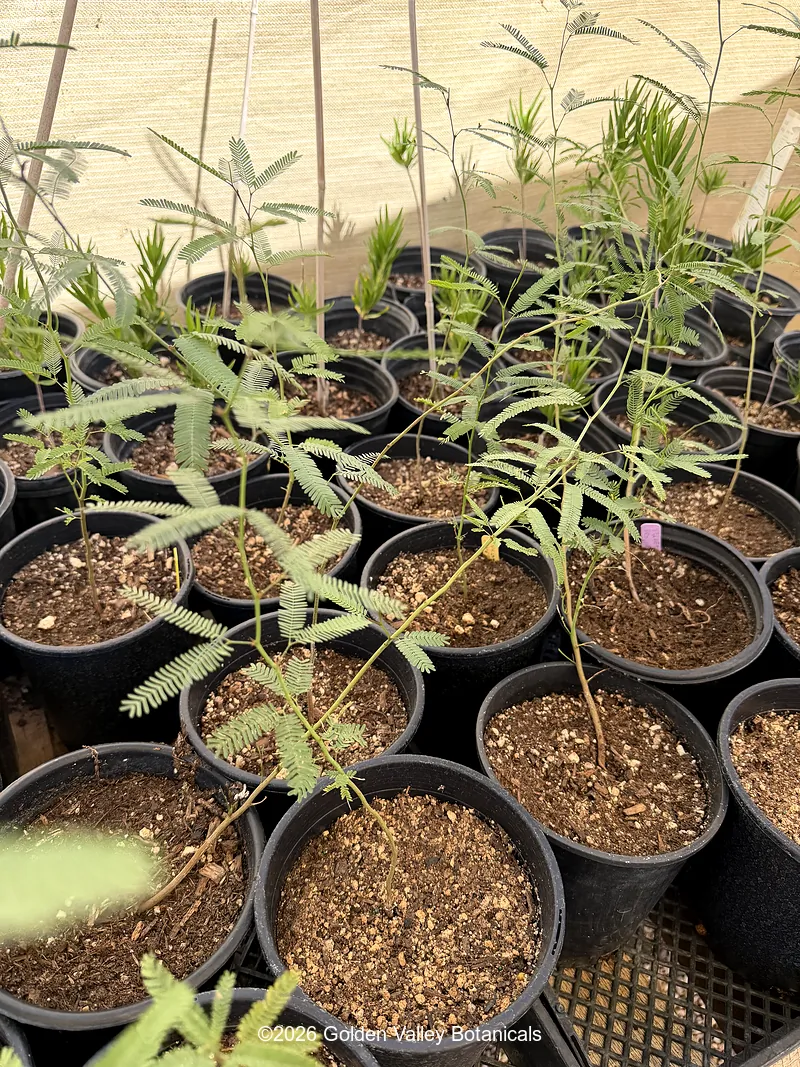
Young plants are vulnerable to harsh conditions, so consider growing them in larger containers until mature.
When planting in the ground, research the optimal planting season for your climate zone and protect young plants from frost.
To support establishment, consider creating a microclimate with nurse plants, shade, or wind protection. This can reduce stress, conserve soil moisture, and increase long-term success.
Protect the small, immature plants from rabbits and deer.
Check out our FAQ page for more tips on desert gardening.